Why Your Coaching Business Isn't Getting Clients (Your Marketing Message Might Be the Problem)
One of the biggest challenges many coaches face is explaining what they actually do.
You may know the transformation you help clients achieve, but when it comes to describing it on your website or social media, the message often becomes unclear.
A strong marketing message solves this problem.
It helps potential clients quickly understand:
Who you help
What problem you solve
The results they can expect
When your message is clear, the right people immediately recognize that your coaching is for them.
Marketing experts at HubSpot Marketing Blog explain that clear messaging helps businesses communicate their value effectively and connect with the right audience.
What Is a Marketing Message (And Why Does It Matter for Coaches)?
It's the foundation that everything else — your content, your website copy, your social media captions, your sales conversations — should be built on.
When your marketing message is clear, people instantly recognize themselves in your content. They think, "That's me. She's talking to me." That recognition is what turns a casual follower into someone who books a call.
When your message is vague or generic, people feel mildly interested but not moved to act.
According to insights shared by Forbes Business Council, strong brand messaging helps businesses stand out and connect with the right audience.
It answers a simple question:
Why should someone work with you?
Your message should quickly communicate:
the audience you serve
the challenge they face
the outcome you help them achieve
Think of it as the foundation of your entire marketing strategy.
If you're still figuring out how to show up consistently with your message, read this next: "7 Tasks You Should Delegate to a Virtual Assistant as a Coach"
The 3 Biggest Marketing Message Mistakes Coaches Make
1: Being too broad
"I help people live their best life." "I help women step into their power." These phrases feel meaningful, but they communicate almost nothing to a potential client. Broad messages attract broad audiences — which usually means lots of interest and very few buyers.
The fix: get specific about who you help and what specific outcome you deliver.
2: Leading with your method instead of the outcome
Coaches who are deep into their methodology often lead with it. "I use NLP, somatic work, and mindset reprogramming to help my clients…" The problem? Most clients don't care about the method. They care about the result. They want to know: will this fix my problem?
The fix: lead with the transformation, then explain your approach.
3: Trying to speak to everyone
When you're afraid of narrowing your audience, you end up writing for no one in particular. A message that could apply to any human on the planet will resonate with almost none of them. The irony of niching down is that the more specific your message gets, the more people feel like you're speaking directly to them.
The fix: pick a specific person with a specific problem and write your message to that one person.

How to Craft a Clear Marketing Message for Your Coaching Business
1: Get clear on WHO you help
Not "women." Not "entrepreneurs." Who specifically? A burned-out female executive who wants to leave corporate? A new life coach struggling to get their first three clients? A working mom who wants to lose weight without giving up her social life? Get as specific as possible.
Step 2: Name the PROBLEM you solve — in their words
Your ideal client is searching for help with something specific. What is it? Not the clinical version. The version they would type into Google at midnight. "I don't know why I keep self-sabotaging." "I'm doing all the things, but my business isn't growing." "I feel stuck, and I don't know how to get out."
Step 3: State the OUTCOME you deliver
What does life look like after working with you? Be concrete. "More confidence" is weak. "Books her first three clients within 60 days" is strong. "Feels better about herself" is vague. "Goes from dreading Mondays to genuinely loving her work" is something a real person can picture.
You can start with this simple structure:
“I help [audience] achieve [result] through [method].”
Examples:
Life coach:
I help professionals overcome burnout and create balanced, fulfilling lives through structured mindset coaching.
Business coach:
I help service-based entrepreneurs attract consistent clients through strategic marketing and sales systems.
Wellness coach:
I help busy women build sustainable health habits through simple lifestyle and nutrition coaching.
How to Use Your Marketing Message Across Your Business
Once you have a clear marketing message, put it everywhere:
Your Instagram and Facebook bio should reflect it immediately.
Someone landing on your profile for the first time should understand what you do within three seconds.
Your website homepage headline should lead with it. Not a vague
welcome message — a direct statement of who you help and what you help them do.
Your content captions and hooks should echo it. When your messaging is consistent, your audience starts to associate your name with that specific transformation.
Your discovery call introduction should open with it. When a potential client knows exactly what they're signing up for before the call even begins, conversion becomes much easier.
Your sales page should build on it from the very first line.
Consistency across all of these touchpoints is what builds trust — and trust is what converts.
Research from the Content Marketing Institute shows that consistent messaging across content improves audience engagement and trust.
Here's the truth about marketing your coaching business: people don't buy coaching. They buy the version of themselves they believe they'll become after working with you. Your job is to make that vision clear enough that the right person can see themselves in it.
When your marketing message is specific, outcome-focused, and written for the right person, you stop having to convince people to hire you.
The message does the heavy lifting, and the right clients self-select.
Take some time this week to revisit your message. Run it through the framework. Test it on someone outside your industry. Then update your bio, your homepage, and your next piece of content.
Small shift. Big difference.
Ready to Take It Further?
Getting your message right is a powerful first step — but consistently showing up with that message across your blog and social media is where the real momentum builds.
If you're a coach who's ready to show up online with structure and strategy but doesn't want to manage the content side alone, I'd love to support you.
From content planning and social media management to virtual assistant tasks that keep your backend running smoothly — that's exactly what I do.
If you'd like help building a content system that supports your growth,
explore the services available or 📩 Book a free strategy call:
Let's build a content system that works as hard as you do.

AUTHOR SPOTLIGHT
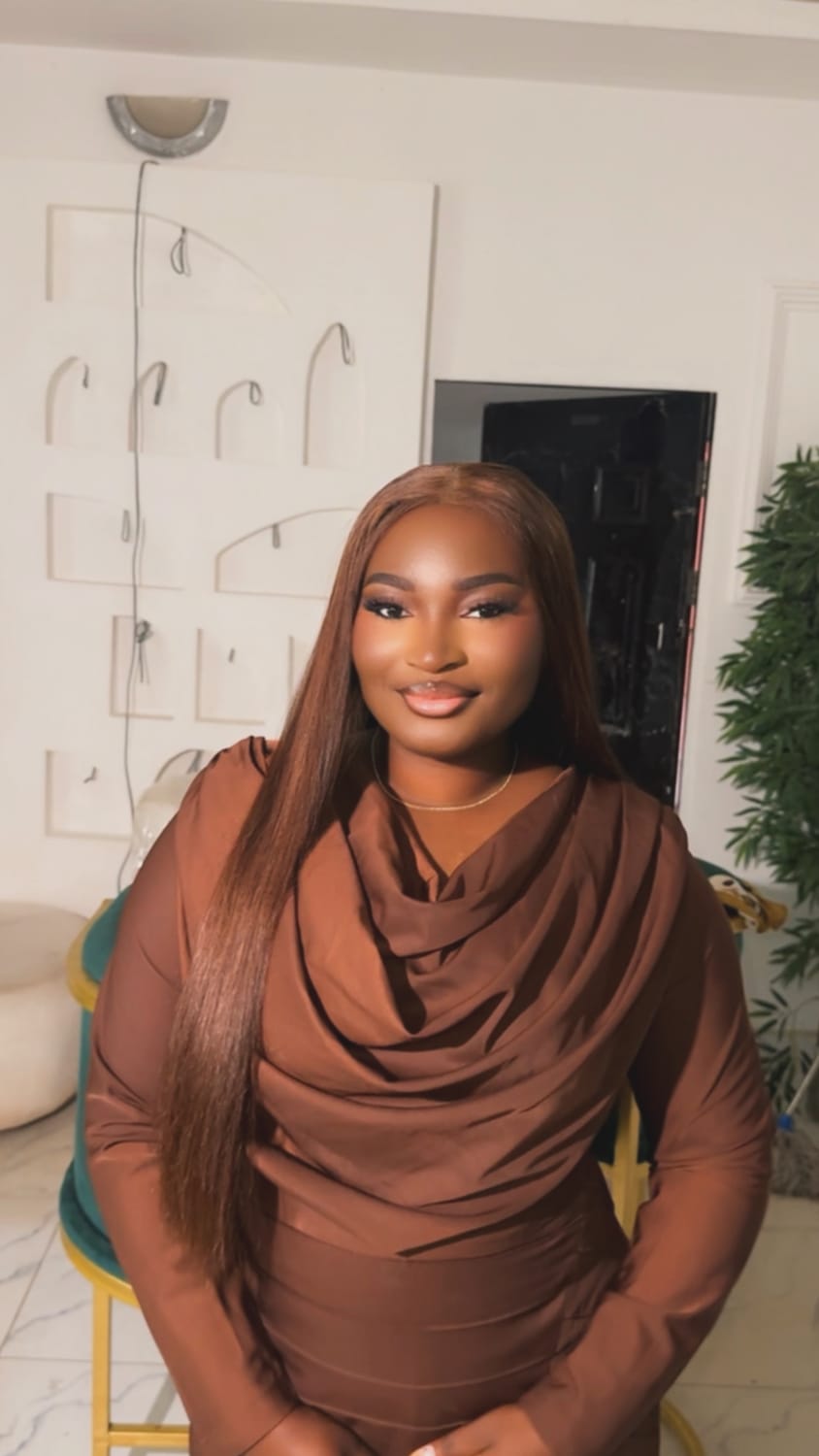
Hi, I’m Blessing, a Strategic Virtual Assistant supporting coaches and service-based entrepreneurs with content management, social media support, and organized backend systems.
I help coaches stay consistent online, manage their operations, and build structured workflows that support business growth.


Blessing | The Social VA
Strategic Virtual Assistant for Coaches & Founders.
I help coaches manage content, organize backend systems, and build structured workflows that support consistent business growth.
Newsletter
Get content tips, growth strategies, and systems that help coaches build structured online businesses.
© 2025 Blessing | The Social VA
Powered by connection, clarity, and community.